
The Misconception at the Core of Nonprofit Budgets
Funders and nonprofits treat talent as an expense. It's actually our most valuable asset.

Something I’m Learning
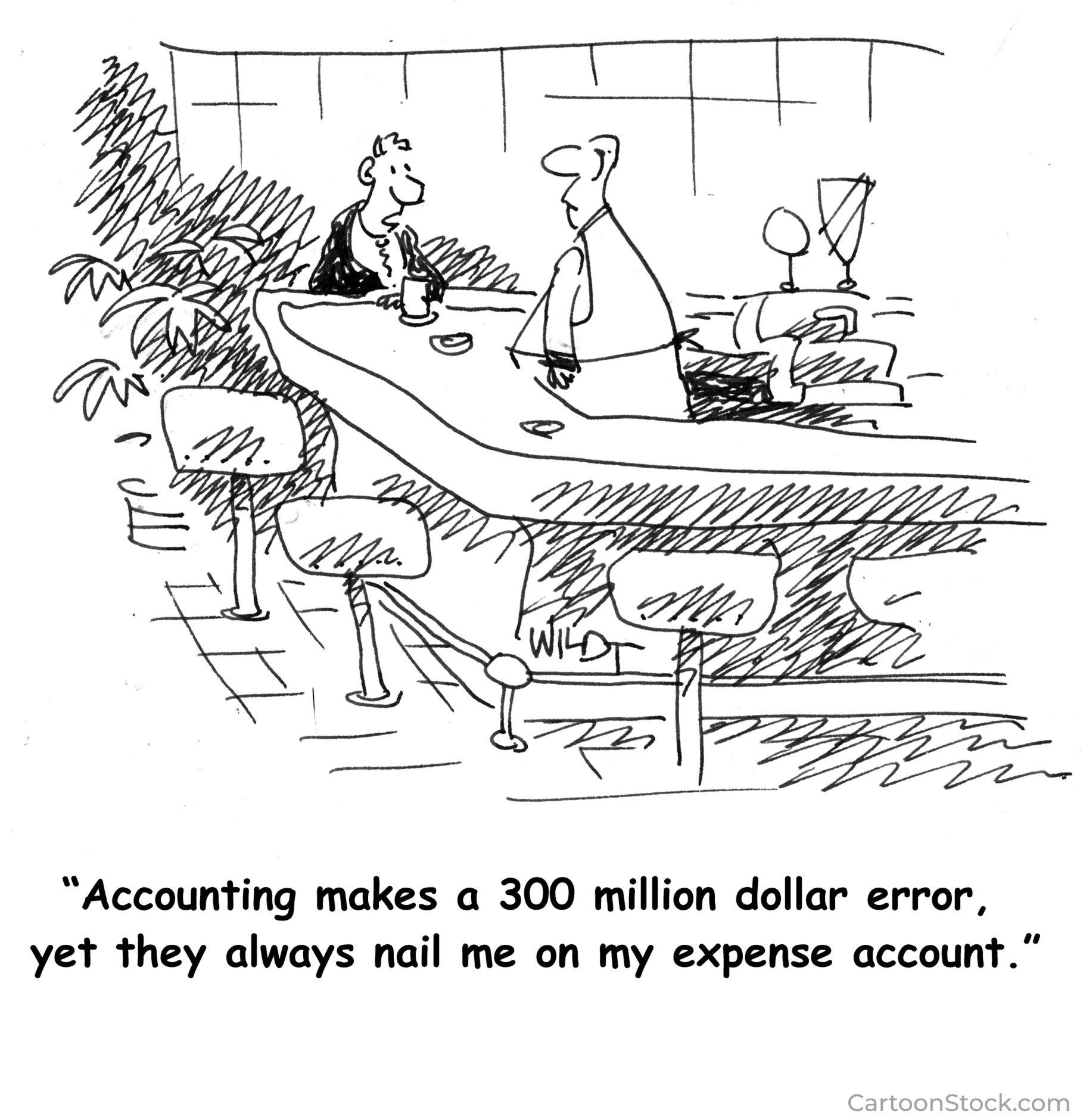
At Mumbai Climate Week, it was Raj Shah who got me to look up from my phone. During London Climate Week it was LinkedIn’s Efrem Bycer. “Human capital gets treated as a cost, a recurring spend to be contained, not an investment to be made. It’s an accounting issue.”
I’ve noticed this dichotomy for a while, but didn’t have the words for it until I heard Efrem. We often talk about the importance of long-term talent pipelines — the unglamorous, multi-year work of building the people who’ll actually drive the impact we seek. But then when it comes to annual planning and budgeting, we default to outputs we can count: reports shipped, dollars moved, deliverables hit.
Incidentally, there’s been a lot of reporting of late about how the political right focuses more strongly on long-term talent pipelines compared to the left, which has tended to fund shorter-term projects with clearly quantifiable results.
Notice who’s been winning lately?
(This isn’t a political newsletter so I’ll stop here, but if politics is your jam then see here, here and here).
Let’s take an analogy. You wouldn’t expense a solar installation. You’d capitalize it - because it produces returns for years after you’ve paid for it. That’s the whole point of an asset: you expect it to keep generating value long after the check clears, asking nothing of you but the occasional bit of maintenance.
Talent works the same way. A well-trained team keeps delivering social impact: emissions reductions, higher test scores, increased life expectancy, and so on. It provides capacity that compounds for years after a single project ends. (Better than a solar array, actually, because they also answer emails.) And yet we expense this team. We treat the most durable, appreciating asset in the entire system as a cost to be minimized.
We need to make this shift as a sector. Instead of looking at a budget and seeing people as a line item to contain, we can start seeing them as an investment to leverage.
Just a semantic distinction? It isn’t. Because it changes what you fund, how long you fund it, and what you expect in ROI. Expense it, and the money vanishes into a training workshop while you cross your fingers and pray they come out with better skills. Capitalize it, and you’re building an asset you can expect to appreciate.
Changing our financial accounting standards is well above my pay grade. But that’s not really the point. It’s that the instinct to see our people as a cost center and not an ROI generator is limiting our imagination. And leading us to under-invest in what really drives impact.
How can we change that, if not in our books, then at least in the way we read them?
Something to Consider
Less nerdy and more extreme, but not less true. What If Pizza Shops were Funded Like Nonprofits?
Something to Quote
You can’t fix everything forever, but you can try to tip things in the right direction.
- Naomi Alderman, The Future
A really interesting angle to reinforce the "fund core costs!"-call. Looking at people as assets rather than expenses could have all sorts of amazing knock-on effects. I was lucky enough to be part of a nonprofit-sector-focused graduate scheme when I left university (Charityworks in the UK, which unfortunately has recently sent a closing notice), and that programme felt like it looked at us as assets to invest in. We had regular "learning days" with expert speakers and practical exercises, we had peer coaches to work out our personal development questions, and were expected to produce sector-relevant research. A lot of this actually could be done without a ton of investment, and it really had a big impact on how all of us moved in our first years in the sector.
We use commission like shares with our volunteers and see an average learning curve reduced by 3.